
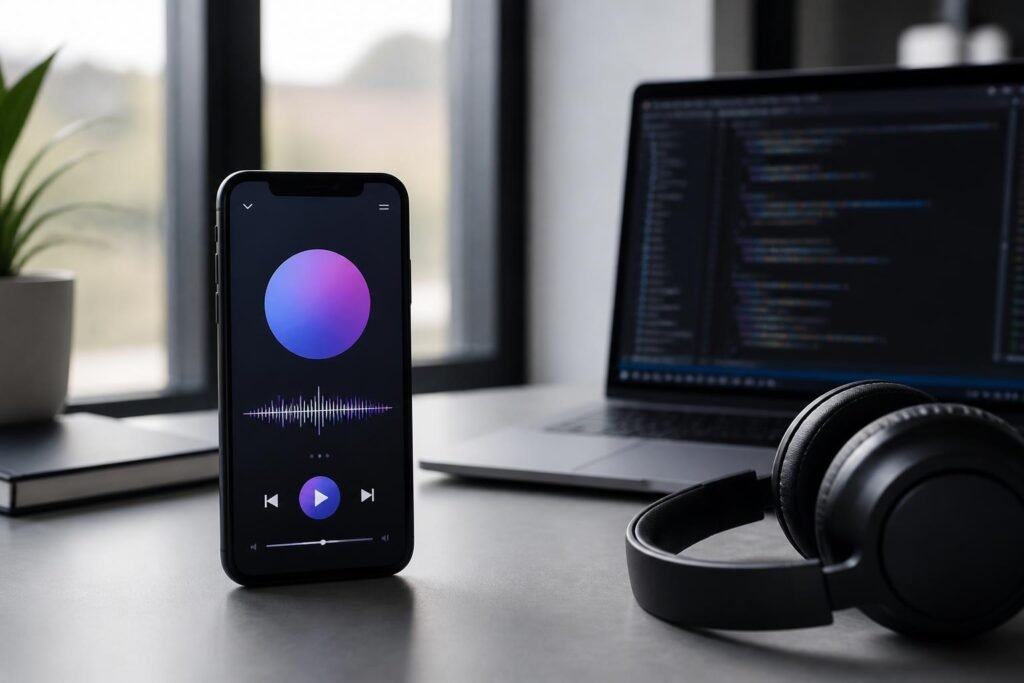
The evolution of music consumption has been nothing short of astounding. With the rise of technology, how we listen to and interact with music has transformed dramatically over the years. As we look ahead to 2026, several trends are emerging in the realm of music app development that promise to reshape our musical experiences even further. From streaming services taking center stage to artificial intelligence curating personalized playlists, each trend reflects a growing demand for innovation and creativity in the industry. Let’s dive into what’s on the horizon for music app development and explore how these shifts will impact artists, listeners, and developers alike.
The growing popularity of music streaming services
Music streaming services have skyrocketed in popularity over the past few years. They offer vast libraries of songs, allowing users to access millions of tracks at their fingertips. This instant gratification has transformed how we discover and enjoy music.
Convenience plays a huge role in this trend. With just a smartphone or computer, listeners can create playlists tailored to their moods or activities. The ability to share these curated experiences adds an element of social interaction that traditional media simply cannot replicate.
Moreover, subscription models provide affordable options for consumers while supporting artists through royalties and exposure. As more platforms enter the market, competition drives innovation. Features like offline listening and exclusive content keep audiences engaged and loyal.
The shift from ownership to access is reshaping consumer behavior, making music streaming not just popular but essential for today’s music lovers.
Increased demand for personalized music recommendations
The demand for personalized music recommendations is surging like never before. Listeners want experiences tailored to their tastes and preferences. This shift reflects a broader trend in consumer behavior, where customization reigns supreme.
Algorithms are at the heart of this transformation. They analyze user data, listening habits, and even mood to curate playlists that resonate deeply with individuals. The result? A more engaging experience that keeps users coming back for more.
Moreover, artists benefit too. Personalized suggestions can elevate emerging talent by placing them alongside established acts in curated playlists. This synergy fosters discovery and creates pathways for new sounds to reach wider audiences.
As we move forward, integrating machine learning will refine these recommendations further. Expect an era where your music app knows you better than you know yourself—anticipating what you’ll love before you hit play.
The rise of AI in music app development
Artificial Intelligence is revolutionizing music app development in remarkable ways. With advanced algorithms, apps can now analyze user behavior to suggest songs tailored to individual tastes.
AI-driven features like smart playlists and mood detection enhance the listening experience. Users enjoy discovering new artists based on their current favorites without even searching for them.
Moreover, AI tools are streamlining the production process for musicians as well. From composing melodies to mastering tracks, these intelligent systems assist creators at every stage of production.
Additionally, sentiment analysis empowers developers to gauge audience emotions towards specific genres or tracks. This valuable data aids in refining marketing strategies and improving user engagement.
As AI technology continues to evolve, its integration into music apps will only deepen, paving the way for innovative features that redefine how we consume and interact with music.
Integration of social media and user-generated content in music apps
The fusion of social media and music apps is transforming how users interact with their favorite tunes. With platforms like TikTok leading the way, songs can go viral overnight. This phenomenon has pressured music app developers to weave social features into their offerings.
User-generated content plays a crucial role in this evolution. Fans are no longer passive listeners; they create playlists, share covers, and even remix tracks. Music apps that empower users to showcase their creativity thrive in engagement.
Additionally, integrating sharing capabilities allows seamless connections across various platforms. Users can easily post snippets of songs or videos directly from the app to social networks. This cross-pollination not only boosts visibility but also fosters community among listeners.
As fans become creators, music apps must embrace this shift to stay relevant and attract new audiences. The future lies in collaboration between artists and their supporters through vibrant online interactions.
Embracing virtual reality and augmented reality technology
The intersection of music and technology is evolving rapidly. Virtual reality (VR) and augmented reality (AR) are at the forefront of this revolution.
Imagine attending a concert from your living room, immersed in a 360-degree experience. With VR, users can feel as if they are on stage or right in front of their favorite artists. This kind of engagement transforms how fans interact with music.
On the other hand, AR enhances real-world settings by overlaying digital elements onto physical environments. Think about using an app that displays lyrics or artist information when you point your device at a poster or album cover.
These technologies create unique opportunities for artists to connect with audiences in ways never seen before. Music apps integrating VR and AR will not only enrich user experiences but also redefine entertainment consumption altogether.
How these trends will shape the future of the music industry
The trends in music app development are set to revolutionize how we interact with music. As streaming services grow, artists will gain more visibility and control over their work. This shift allows for diverse genres to flourish, giving independent musicians a platform.
Personalized recommendations will enhance user engagement. Listeners will discover new favorites tailored just for them, based on their unique tastes and listening habits.
AI integration is another game-changer. From creating playlists to generating original compositions, technology empowers both creators and listeners like never before.
Social media features within apps encourage community-building among fans. Sharing music becomes an experience rather than just a transaction.
Virtual reality offers immersive concerts that can reach audiences worldwide without geographical barriers. Fans may find themselves front row at a concert from the comfort of home while enjoying enhanced interaction with fellow fans and artists alike.
These advancements promise not only convenience but also deeper connections within the industry.
Conclusion: The importance of staying updated with music app development trends for success in the market
The landscape of music app development is constantly evolving. As new trends emerge, they bring unique opportunities and challenges for developers and businesses alike. Staying updated with the latest advancements in technology, user preferences, and industry dynamics is crucial for success.
As we move towards 2026, embracing innovations like AI-driven personalization and immersive experiences through virtual reality will be essential. These elements can enhance user engagement significantly. Additionally, integrating social features can create vibrant communities around music apps.
For those looking to thrive in the competitive market of music applications, being proactive about these trends is key. This approach not only helps in aligning with consumer expectations but also positions a brand as a leader in innovation within the industry.
Keeping an eye on these developments ensures that your offerings remain relevant and appealing to users who are increasingly discerning about their digital experiences. Whether you’re a developer or a business owner, adapting to these changes will set you apart from competitors dusting off old strategies. The future of music app development looks bright for those willing to innovate and embrace change wholeheartedly.