
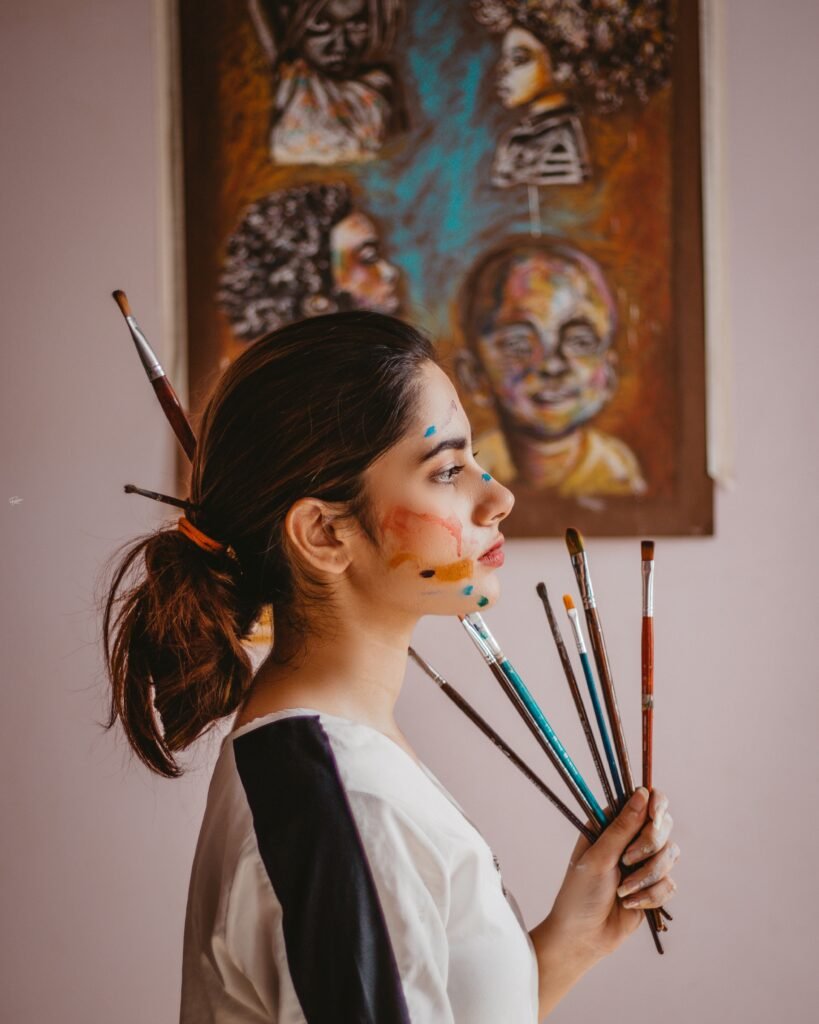
Introduction to AI-Assisted Painting
The world of art is constantly evolving, and now it’s stepping into an exciting new era with the rise of AI-Assisted Painting. Imagine a canvas where creativity meets cutting-edge technology, blending traditional artistic techniques with artificial intelligence’s capabilities. This fusion opens doors to endless possibilities, allowing artists to explore uncharted territories in their creative journeys.
As more creators embrace this innovative approach, we find ourselves at the intersection of human imagination and machine learning. Artists are using algorithms not just as tools but as collaborators that can inspire fresh ideas or even challenge conventional methods of creation. Whether you’re an artist yourself or simply an admirer of digital art, the impact of AI on painting is impossible to ignore.
Join us as we delve deeper into how AI is revolutionizing the art world and what it means for both artists and audiences alike. The future looks bright, colorful, and full of potential in this fascinating realm where artistry meets technology!
How AI is Revolutionizing the Art World
AI is shaking up the art world like never before. Artists are now leveraging advanced algorithms to explore new creative landscapes. This technology can generate images, suggest color palettes, and even emulate specific styles.
One exciting aspect of AI in art is its ability to analyze vast amounts of data from different artists and movements. By doing so, it helps creators identify trends and influences that might have gone unnoticed.
Moreover, AI tools enable collaboration between human intuition and machine precision. Imagine an artist blending their unique touch with a digital assistant capable of producing countless variations in seconds.
Art collectors are also taking notice. They appreciate how AI-generated pieces challenge traditional notions of authorship and creativity. As boundaries blur, discussions about what constitutes art are becoming more dynamic than ever before.
The integration of artificial intelligence offers endless possibilities for experimentation and innovation within artistic disciplines.
Benefits of Using AI in Art Creation
AI tools can streamline the creative process, allowing artists to focus on their vision. These technologies can generate ideas and suggest color palettes in an instant. This partnership fosters a new kind of creativity.
Artists also benefit from enhanced efficiency. Time-consuming tasks like sketching or layering can be expedited through AI assistance, granting more time for refining concepts and exploring innovative styles.
Accessibility is another significant advantage. AI-assisted painting democratizes art creation, enabling those without traditional training to express themselves artistically. Users can create stunning pieces with simple commands.
Moreover, collaboration between human intuition and machine precision often leads to unexpected results that push artistic boundaries. The synergy creates opportunities for unique expressions that might not emerge from traditional methods alone.
These benefits help reshape how we approach art today while inspiring future generations of creators eager to explore this evolving landscape.
Controversies Surrounding AI-Assisted Painting
AI-assisted painting has stirred a pot of debates among artists and critics alike. One major concern is the authenticity of artwork created with AI. Traditionalists argue that art should stem from human emotion and experience, while AI-generated pieces lack this depth.
Another controversy revolves around copyright issues. If an algorithm creates a painting, who owns the rights? The artist who programmed it or the machine itself? This question leaves many legal experts scratching their heads.
Additionally, some fear that reliance on technology could dilute artistic skills over time. Artists may lean too heavily on algorithms for creativity instead of honing their craft.
The accessibility provided by AI also raises eyebrows; anyone can generate art with just a few clicks. While democratization has its merits, it challenges established norms within the art community. These tensions are shaping ongoing discussions about what defines true artistry in our digital age.
Famous Artists Using AI in Their Work
Several renowned artists are embracing AI-assisted painting, pushing the boundaries of creativity. Artists like Refik Anadol use algorithms to transform data into stunning visual art. His installations captivate audiences with mesmerizing patterns.
Then there’s Mario Klingemann, a pioneer in using neural networks for artistic expression. He employs machine learning techniques to create unique pieces that challenge traditional notions of authorship.
Another notable figure is Anna Ridler, who blends her drawings with AI-generated elements. Her work explores the intersection between human creativity and artificial intelligence, inviting viewers to ponder their implications.
These artists show how technology can enhance artistic vision while sparking conversations about innovation in the creative process. Their work highlights an exciting era where collaboration between human intuition and machine learning leads to extraordinary outcomes. Each piece tells a story shaped by both artist intent and algorithmic influence, marking a new chapter in digital artistry.
The Future of Digital Art and AI Collaboration
The future of digital art lies in the seamless collaboration between artists and AI. As technology advances, tools are becoming more intuitive and user-friendly. Artists can harness AI’s capabilities to enhance their creativity.
Imagine using algorithms that understand your style and suggest color palettes or compositions. This opens up a world of possibilities for experimentation without the fear of starting from scratch.
AI-assisted painting is not just about efficiency; it encourages innovation in artistic expression. New mediums will emerge as artists embrace these technologies, blending traditional techniques with cutting-edge software.
In this evolving landscape, we may see entirely new genres sprouting from human-AI partnerships. The dialogue between creator and machine could redefine what art means in our society.
As we move forward, it’s exciting to think about how these collaborations will shape the aesthetics and narratives of tomorrow’s artwork. Each brushstroke might carry echoes of both human emotion and computational logic.
Conclusion: Embracing the Fusion of Technology and Creativity
The intersection of technology and creativity is more vibrant than ever. AI-assisted painting stands at the forefront of this movement, blending human ingenuity with machine learning. Artists are now exploring uncharted territories in their creative processes, pushing boundaries that were previously unimaginable.
This dynamic partnership opens new avenues for expression and innovation. The collaboration between artists and AI tools fosters an environment where traditional techniques can coexist alongside cutting-edge technology. This fusion not only enhances artistic capabilities but also democratizes art creation, making it accessible to a wider audience.
As we look ahead, the potential for growth in this space seems limitless. Embracing AI-assisted painting could redefine our understanding of artistry itself—transforming how we create, appreciate, and experience art in all its forms.
With every stroke guided by algorithms or inspiration sparked by digital canvases, the future of digital art holds incredible promise. It’s clear that as artists continue to harness these powerful tools, they will shape a new narrative within the art world—one where creativity knows no bounds.