
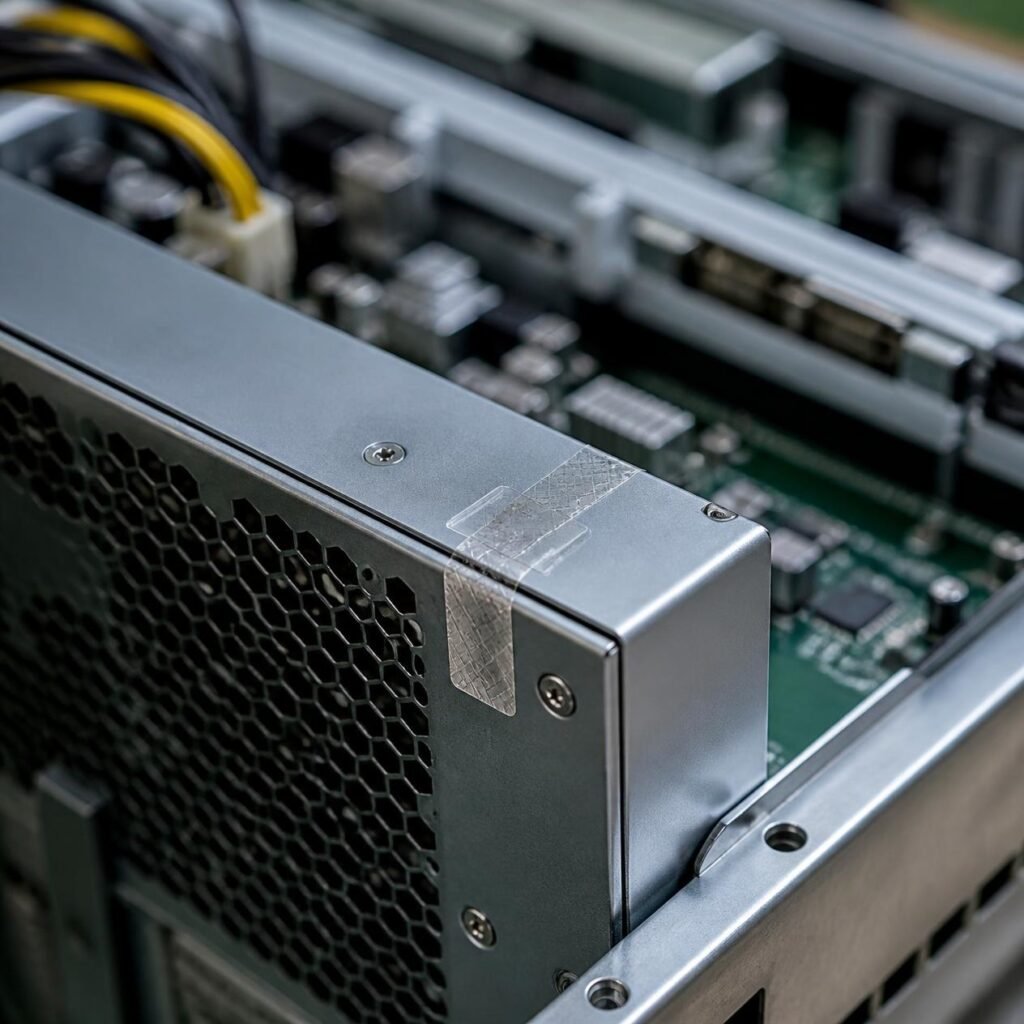
Quick answer: Techseal is a digital sealing technology that verifies the authenticity and integrity of products, documents, or data by embedding a tamper-evident marker into them. Businesses use Techseal to confirm that an item hasn’t been altered, counterfeited, or accessed without authorization, making it valuable across supply chains, digital transactions, and compliance-heavy industries.
Counterfeiting, data tampering, and unauthorized access cost businesses billions of dollars every year, and the problem only grows as supply chains become more global and digital transactions become more common. Techseal has emerged as a practical response to these challenges, giving organizations a way to prove—quickly and reliably—that something is exactly what it claims to be.
Understanding Techseal matters because it touches far more than IT departments. Manufacturers use it to protect products from counterfeiting. Financial institutions use it to secure transactions. Healthcare providers use it to verify that medical records and devices haven’t been tampered with. Consumers benefit too, often without realizing it, every time they scan a product and trust that it’s genuine.
This post breaks down what Techseal actually is, how it works, where it delivers the most value, and what to consider before implementing it in your own organization.
What Is Techseal?
Techseal refers to a verification technology that creates a secure, tamper-evident “seal” on a physical product or digital asset. This seal confirms that the item has not been altered, duplicated, or accessed since the seal was applied.
How Does Techseal Work?
Techseal typically combines several technical mechanisms to create a reliable chain of trust:
- Embedded markers: A unique identifier (such as a code, chip, or digital signature) is attached to the product or file.
- Cryptographic verification: The marker is linked to a cryptographic record, so any attempt to alter the item invalidates the seal.
- Real-time validation: Authorized parties can scan or query the seal to instantly confirm authenticity, often through a mobile app or integrated scanning system.
This structure means Techseal doesn’t just label an item. It creates a verifiable record that can be checked at any point in the item’s lifecycle, from manufacturing to the end consumer.
How Is Techseal Different From Other Security Technologies?
Techseal is often confused with related tools like barcodes, QR codes, or standard encryption. The distinction matters:
- Barcodes and QR codes store information but don’t inherently prevent tampering or duplication.
- Standard encryption protects data from being read by unauthorized parties but doesn’t necessarily verify the physical or digital integrity of an item.
- Techseal combines identification with tamper-evidence, meaning it can detect and flag interference, not just store or hide information.
This combination of identity and integrity verification is what sets Techseal apart from single-purpose security tools.
Why Techseal Matters for Businesses and Consumers
What Business Problems Does Techseal Solve?
Techseal addresses a specific, costly problem: the inability to quickly and confidently verify whether something is genuine, unaltered, or properly authorized. This shows up in several forms:
- Counterfeiting: Fake products entering supply chains and reaching consumers.
- Data tampering: Documents or records being altered without detection.
- Unauthorized access: Systems or physical goods being accessed by parties without permission.
What Security and Efficiency Benefits Does Techseal Offer?
Organizations adopt Techseal for a mix of security and operational reasons:
- Security: Tamper-evident seals make it significantly harder for bad actors to pass off counterfeit goods or altered data as legitimate.
- Efficiency: Automated, real-time verification reduces the need for manual checks, speeding up processes like customs clearance, quality control, and audits.
- Cost savings: Preventing counterfeit losses and reducing fraud-related disputes can offset the upfront cost of implementation over time.
What Trends Are Driving Techseal Adoption?
A few forces are accelerating interest in Techseal-style verification:
- Growing global supply chains with more handoff points where tampering can occur.
- Increased regulatory pressure in industries like pharmaceuticals and food safety, where product integrity is tied to compliance.
- Rising consumer demand for transparency about where products come from and whether they’re authentic.
Key Benefits and Use Cases of Techseal
How Is Techseal Used Across Different Industries?
Techseal’s core strength—verifying authenticity and detecting tampering—translates into practical applications across several sectors:
- Manufacturing and retail: Brands apply Techseal to high-value products to combat counterfeiting and protect brand reputation.
- Pharmaceuticals: Techseal can verify that medication packaging hasn’t been opened or altered before reaching a patient, supporting compliance with safety regulations.
- Finance: Digital documents and transactions can carry a Techseal-style verification layer to confirm they haven’t been modified after signing or approval.
- Logistics: Shipping containers and packages sealed with Techseal allow companies to confirm a shipment arrived exactly as it left, with no unauthorized access in between.
What Pain Points Does Techseal Solve?
For businesses, the practical value of Techseal often comes down to three recurring pain points:
- Lack of trust in supply chain partners: Techseal provides an objective, verifiable record instead of relying on manual trust.
- Slow verification processes: Manual inspections are replaced with quick scans or automated checks.
- Difficulty proving compliance: Tamper-evident records give businesses documented proof for audits and regulatory reviews.
Common Misconceptions About Techseal
Is Techseal the Same as Encryption?
No. Encryption protects the contents of data from being read by unauthorized parties. Techseal focuses on verifying that an item or document hasn’t been altered or tampered with, which is a related but distinct function. Many systems use both together.
Can Techseal Completely Eliminate Fraud?
Not entirely. Techseal significantly raises the difficulty and cost of counterfeiting or tampering, but no single technology eliminates fraud outright. It works best as part of a broader security and verification strategy, not a standalone solution.
Is Techseal Only Useful for Large Enterprises?
No. While large enterprises often have the resources to implement Techseal at scale, smaller businesses can benefit too, particularly those in industries where product authenticity or document integrity directly affects customer trust, such as specialty food brands, boutique manufacturers, or professional services handling sensitive paperwork.
How to Implement Techseal in Your Organization
What Should Businesses Consider Before Adopting Techseal?
Before implementing Techseal, organizations should evaluate:
- Where tampering or counterfeiting risk is highest: Prioritize applying Techseal to the products, documents, or data points with the greatest exposure.
- Integration with existing systems: Confirm that Techseal verification tools can work with current inventory, compliance, or document management systems.
- Scalability: Choose a solution that can grow with transaction volume or product lines without creating bottlenecks.
What Are Best Practices for Techseal Adoption?
- Start with a pilot program on a limited product line or document type before scaling organization-wide.
- Train staff and partners on how to verify Techseal markers correctly to avoid gaps in the verification chain.
- Regularly audit the system to confirm seals are being applied and checked consistently.
What Pitfalls Should Businesses Avoid?
- Avoid treating Techseal as a complete security solution; pair it with other safeguards like encryption and access controls.
- Don’t skip partner and employee training, since inconsistent verification undermines the entire system.
- Resist implementing Techseal across every process at once. Focus on high-risk areas first.
How Should Different Business Sizes Approach Techseal?
Choose a phased rollout if you’re a small or mid-sized business with limited resources, starting with your highest-risk product or document category. Choose a broader, multi-department implementation if you’re a larger enterprise with the infrastructure to support integration across supply chain, compliance, and customer-facing systems simultaneously.
Techseal Is Becoming a Standard for Trust, Not Just an Add-On
Techseal gives businesses and consumers a reliable way to confirm that a product, document, or transaction is genuine and untampered. As counterfeiting and data tampering risks grow alongside global supply chains and digital transactions, the organizations that adopt verification technology like Techseal position themselves to protect revenue, maintain compliance, and build consumer trust.
The next step is identifying where your organization faces the greatest authenticity or tampering risk, then evaluating whether a phased or full-scale Techseal implementation makes sense for your size and industry.
Frequently Asked Questions
What industries benefit most from Techseal?
Industries with high counterfeiting risk or strict compliance requirements benefit most, including pharmaceuticals, manufacturing, finance, and logistics.
How much does it cost to implement Techseal?
Costs vary based on the scale of implementation, the complexity of integration with existing systems, and whether the rollout covers physical products, digital documents, or both. Smaller pilot programs typically cost less than enterprise-wide deployments.
How long does it take to implement Techseal?
Timelines depend on the scope of the rollout. A pilot program focused on one product line or document type can often be implemented in weeks, while enterprise-wide integration may take several months.
What are the risks of not adopting Techseal?
Without a verification layer like Techseal, businesses remain more vulnerable to counterfeiting, data tampering, and compliance failures, which can lead to financial losses and reputational damage.
Are there alternatives to Techseal?
Yes. Standard barcodes, QR codes, and encryption each address parts of the authenticity and security puzzle, but typically don’t combine identification with tamper-evidence the way Techseal does.